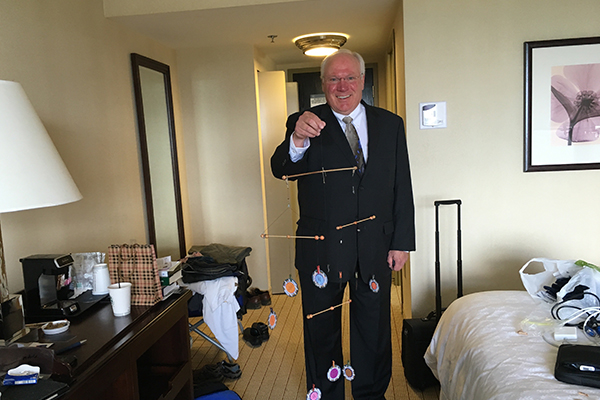
Life unfolds across interconnected dimensions. In my work with families, courts, and individuals in high-intensity settings, I have seen how imbalance in one area affects the whole person. Physical exhaustion can limit thinking. Unexamined beliefs shape interactions. Poor nutrition can alter emotional responses. The Self-Mandala offers a way to see these connections clearly and systematically.
The model identifies eight dimensions: Physical, Intellectual, Emotional, Sensual, Interactional, Nutritional, Contextual, and Spiritual. Each dimension is an active process. Energy and attention in one area influence the others. For example, persistent worry can create tension in the body. Repetitive thought patterns can restrict creativity or openness in relationships. Observing these links helps reveal where attention is needed.
I suggest approaching the Self-Mandala with curiosity. Reflection questions guide assessment: Which dimensions feel strong? Which feel limited? What patterns emerge when one area is strained? Observing tension in the shoulders or chest can reveal a story or belief from the past still active in the present. Curiosity allows these observations without judgment. Everyone, at any point, is doing the best they can based on what they know and understand.
Practical exercises turn observation into understanding. Mapping routines across all eight dimensions, creating a Self-Mandala collage, or sculpting family dynamics with clay or visual tools makes patterns tangible. Guided meditation encourages noticing energy flow and bodily sensations. These exercises are tools to explore daily habits, responses, and choices. They help identify where attention, rest, or intentional care is needed. The Self-Mandala is not a set of rules. It is a way to see the whole system of the self, honor each part, and learn where small adjustments can create more balance and coherence.
~ Stephen Buckbee.